Projects


I built reLive's core infrastructure from the ground-up which involved making architecture-level and code-level design decisions. Designed an elegant, go-idiomatic, worker-pool concurrency model backed by PostgreSQL as a job queue implemented with goroutines and channels to parallelize video processing and external API rate-limiting. Another major optimization directed was uploading video bytes directly to our S3 object storage via presigned URLs from the client side, minimizing server bottleneck. Seperating HTTP handling from core service logic, having concurrency infra domain-agnostic and wiring auth, error-handling, logging as first-class middleware are intentional design patterns that position the app for long-term scale. These are feats I'm genuinely proud of.
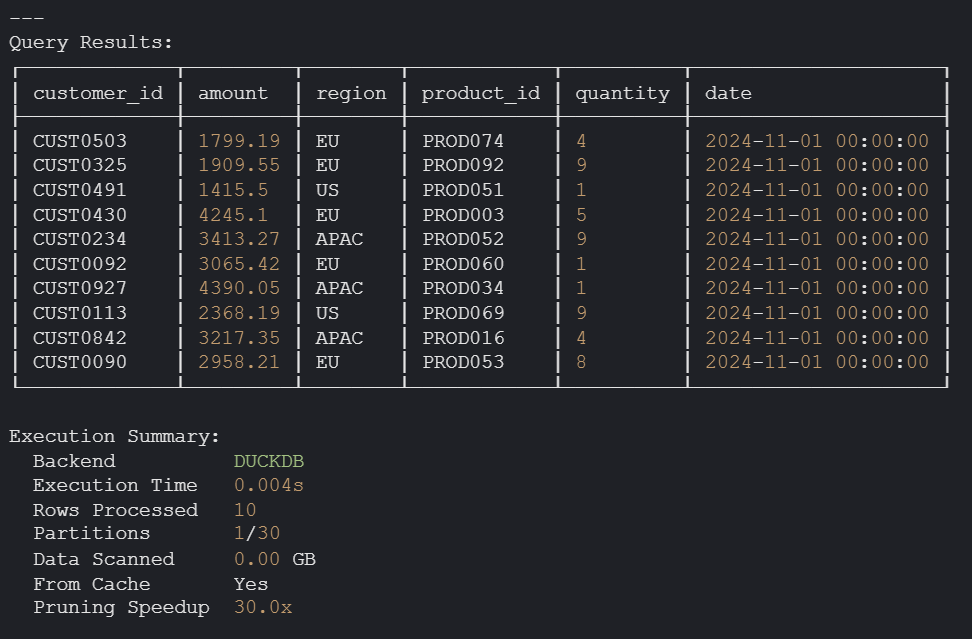
Inspired and built with SQLGlot. I wanted to grow a deeper, intuitive understanding of how query engines work end-to-end, from query to execution. iRouter uses SQLGlot's core modules to replicate the SQL engine process and attempts to optimize it further by intelligently parsing, partitioning, and executing, given the semantics and specific dialect of the query, as well as the scale of the DB executed against. iRouter achieves up to ~3x speedup from SQLGlot.
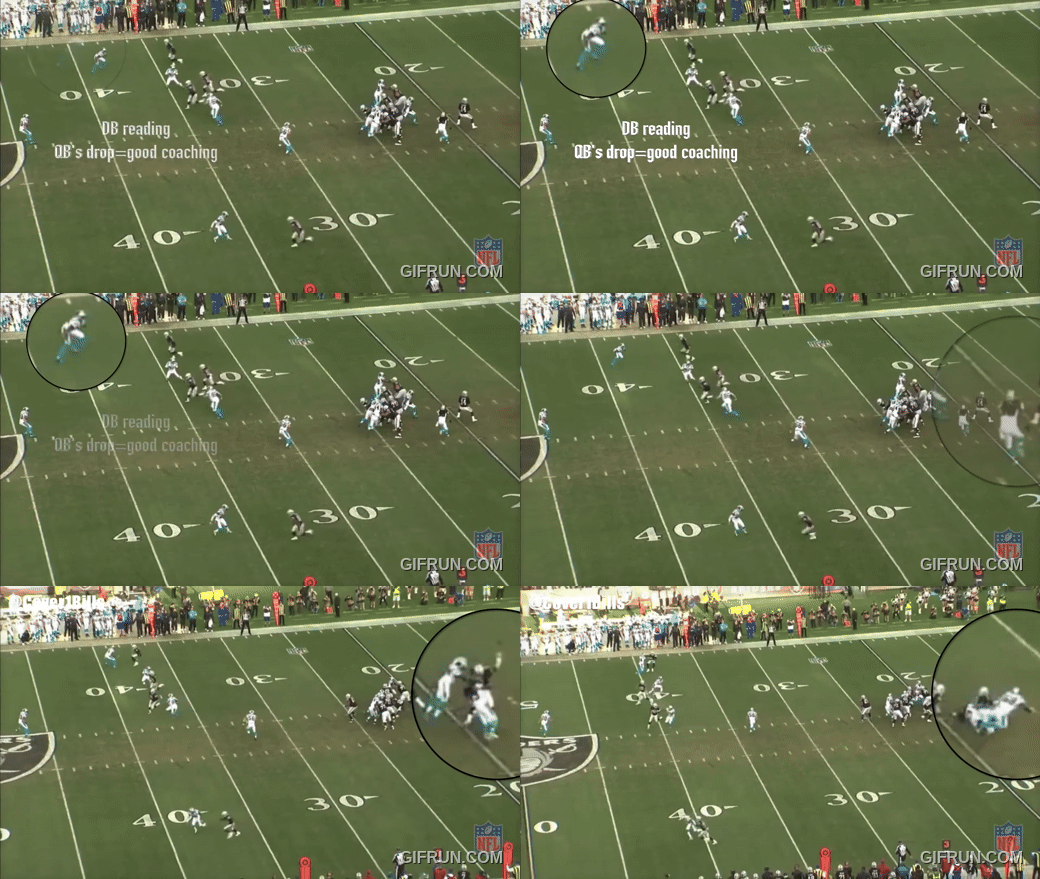
Inspired by SumerSports/SportsTrackingTransformer, which uses a transformer encoder-decoder to embed player and ball tracking into a shared spatial representation, this project adapts that philosophy toward a specific defensive problem: can we detect a blitz before the snap?
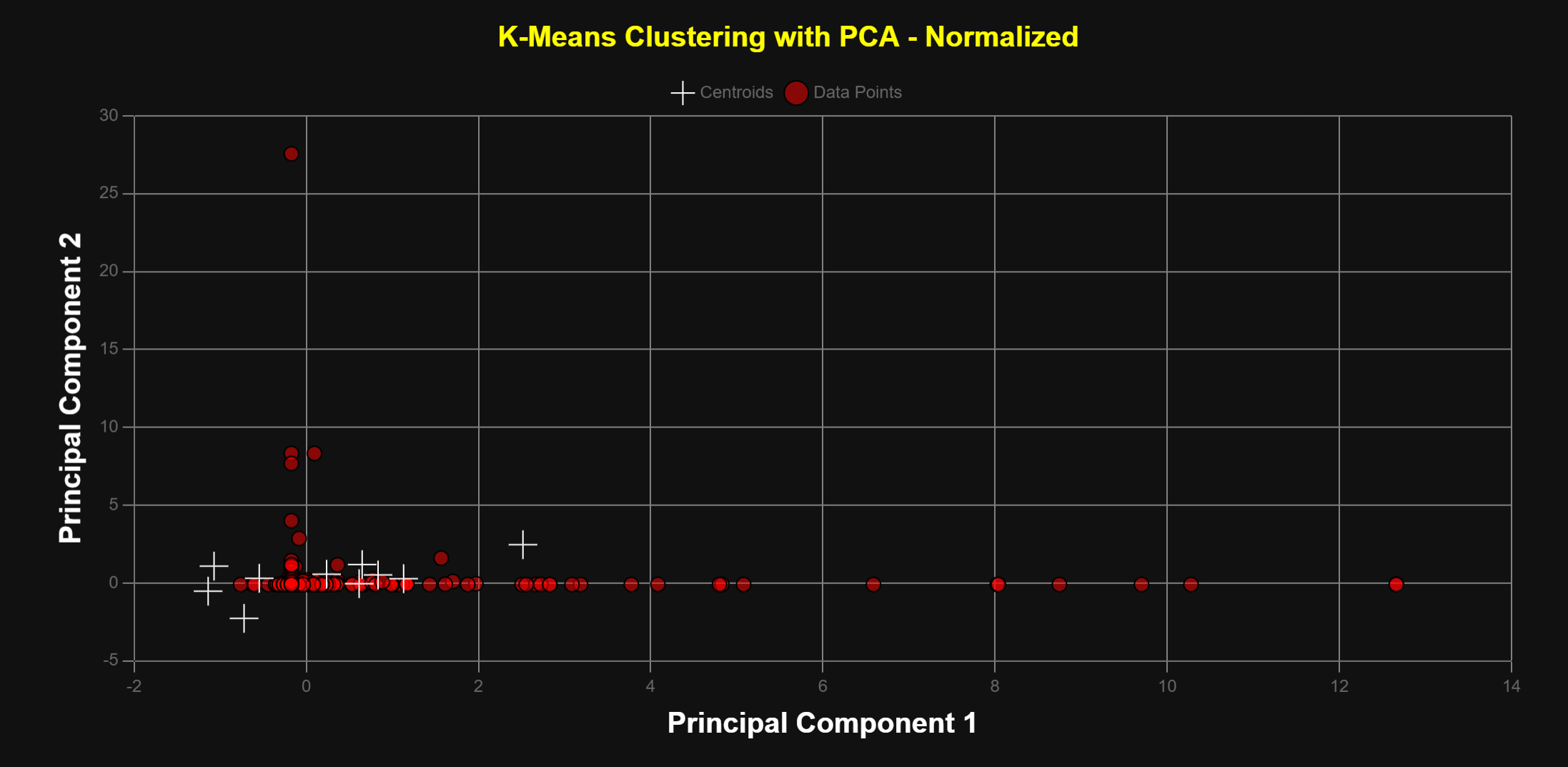
Interactive Demo built with WAT.ai to demonstrate how unsupervised learning detects cyber attacks on IoT devices. Showcased k-means clustering, DBSCAN, and negative selection across 7 attack types and against 105 IoT devices.